Color isn’t just decorative–it’s deeply functional, encouraging, and inspirational. In today’s K–12 educational environments, color plays a vital role in how students learn, feel, focus, and engage with their surroundings.
Applying color theory in schools can significantly impact student engagement, well-being, and performance. As schools aim to create spaces that are both functional and inspiring, understanding how color affects learners become essential, especially when it comes to choosing finishes and furniture.
“The brain doesn’t process color in isolation—it perceives it in context, influenced by texture, light, and spatial relationships.” — Dr. Sally Augustin, environmental psychologist
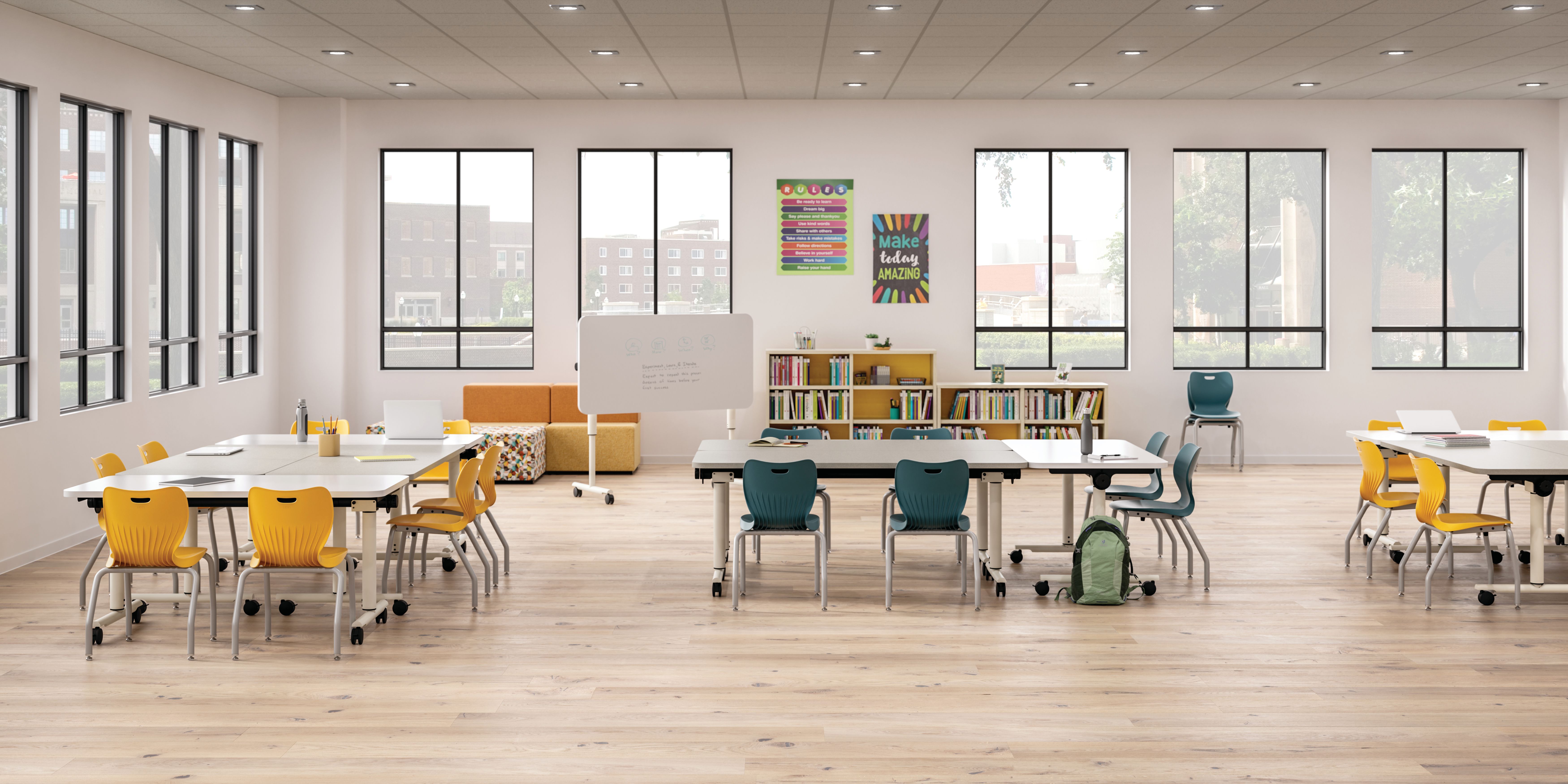
Above: Field Trip, Etch, Tangram
At HON, we’re redefining the role of color in schools by turning it into a strategic tool for enhancing academic outcomes, inspiring flexibility, and building stronger school identities.
Our commitment to K–12 design is grounded in research, real-world classroom insights, and a passion for student success. Through our Color in Motion philosophy, we help educators and designers make informed color choices that support the full learning experience–from cognitive development to cultural pride.
Let’s explore each pillar and the strategy behind them!
Enhancing Academic Excellence: Demonstrate how strategic use of color in education spaces affects learning, behavior, and well-being.
The right colors can calm an anxious mind, spark creativity, and even support memory retention. Research shows that age-appropriate color palettes can boost attention span, reduce fatigue, and help create a sense of psychological safety. This approach can be integrated into furniture applications ensuring that students of all ages are surrounded by environments that are inclusive of all learning needs and support the well-being of students during every activity.
By thoughtfully integrating color into seating, storage, and work surfaces, furniture becomes more than functional—it helps stimulate focus, reduce anxiety, and promote a positive emotional connection to the learning environment. When color is aligned with cognitive goals, it enhances academic performance and fosters spaces where students feel motivated and supported.
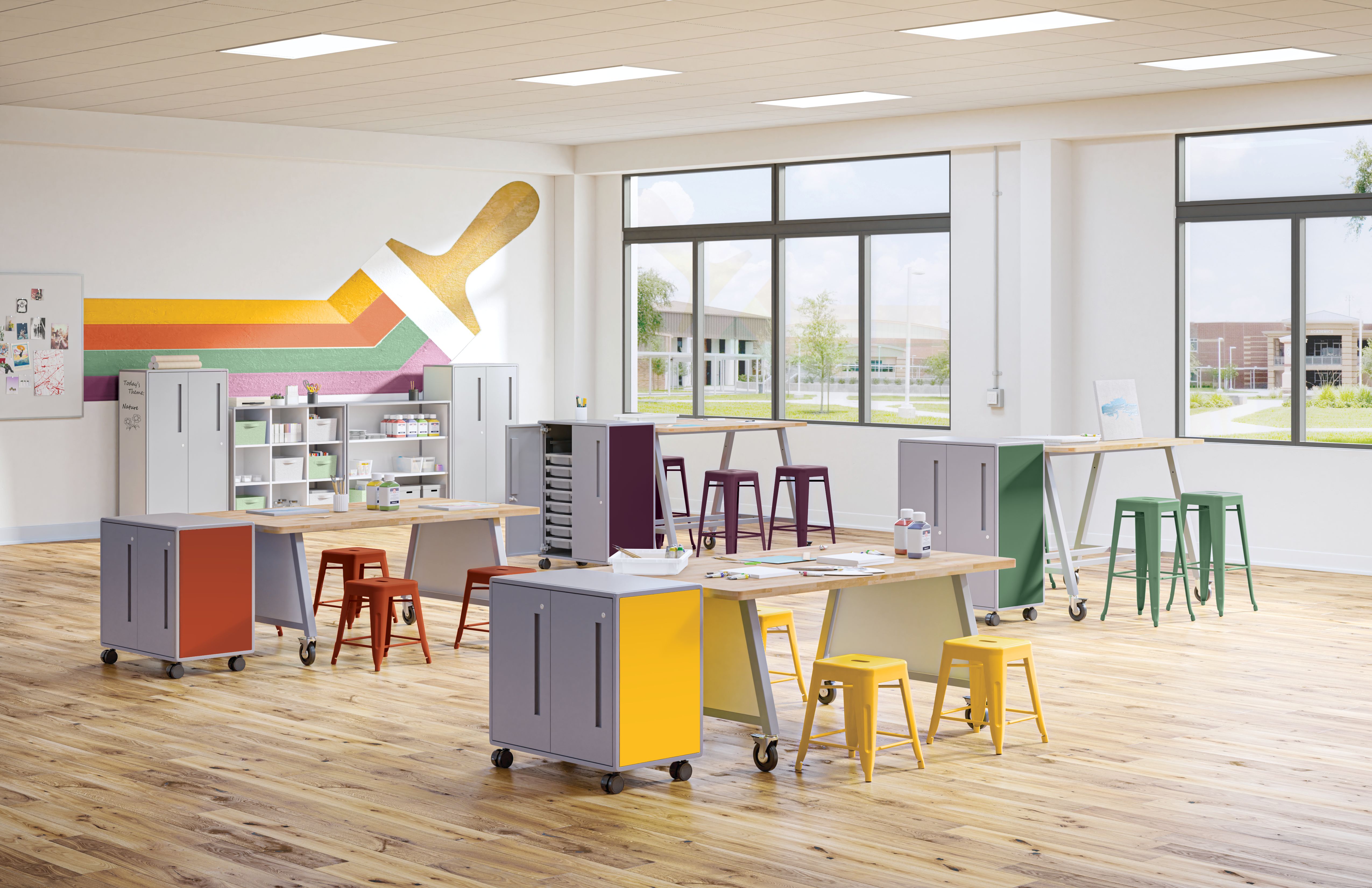
Color in Motion Example: Soft greens and blues in reading zones and libraries support concentration, while warm neutrals in classrooms reduce overstimulation. Yellow is associated with optimism and creativity which provides the perfect accent in classrooms, maker spaces and collaboration areas. Reds can stimulate alertness and excitement – making red the perfect color for eSports and gaming lounges. In quieter spaces, red is best applied in small doses to maintain balance and prevent overstimulation.

Above: Field Trip, SmartLink, Storyline
Flexibility Through Design: Design spaces with purpose so furniture becomes a flexible solution for educational needs.
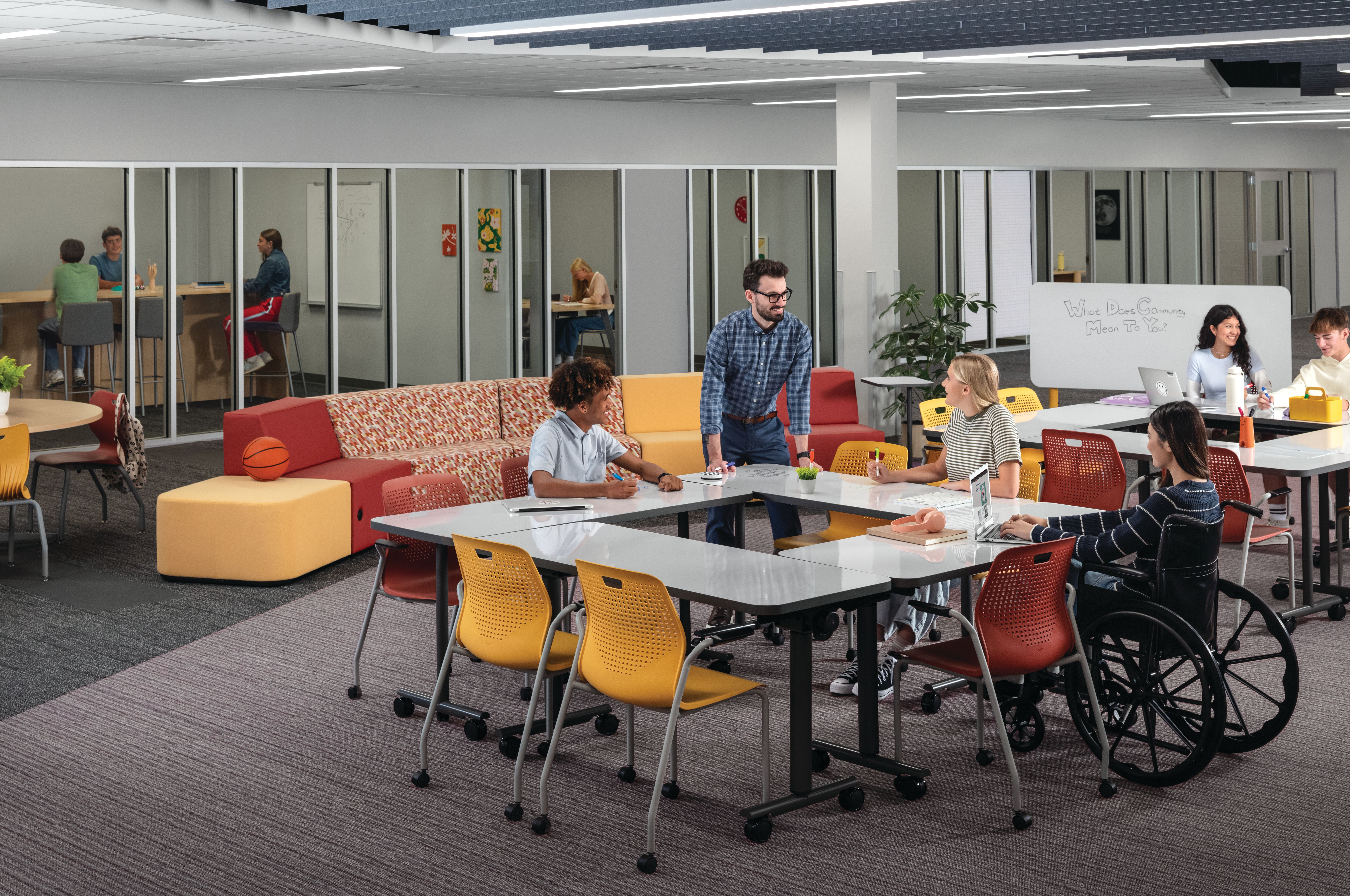
Learning today is anything but static. From project-based work to small group instruction, students need spaces that shift and adapt. Color helps define zones, influence mood, and signal transitions between types of learning, all without walls. Furniture can offer versatile color options that support everything from quiet corners to energetic collaboration hubs.
By transforming furniture into a versatile tool, we empower schools to reconfigure learning environments quickly and effectively. Whether supporting group projects independent study, or hands-on activities, adaptable solutions foster dynamic spaces that enhance engagement and promote deeper learning outcomes.
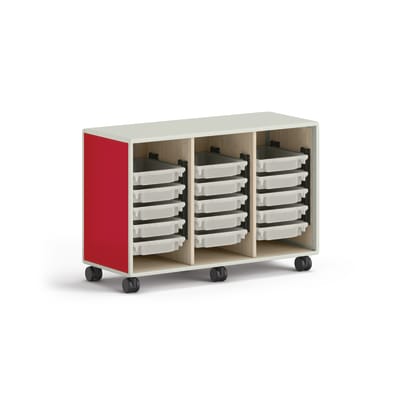
Color in Motion Example: Warm, bold colors are intentionally used to spark creativity and energize collaboration. In maker spaces, a striking accent table in vibrant tones draws students together, inviting discussion and teamwork. Meanwhile, softer hues on mobile seating create balance and flexibility. Strategic color choices on furniture, such as using distinct tones for group tables, individual workstations, or even storage solutions, help define zones and make it easy for students to intuitively understand how each space or application is meant to be used.

Above: Class-ifi, Build
Empowering School Identity: Use inclusive design principles and color to celebrate student identity, foster belonging, and visually express school spirit.
Color is a language, one that speaks to school pride, inclusivity, and values. A school’s story can be told through color, from custom palettes that reflect its brand to color-coded neighborhoods that guide students through the building. When students feel connected to their space, they feel more connected to their school community.
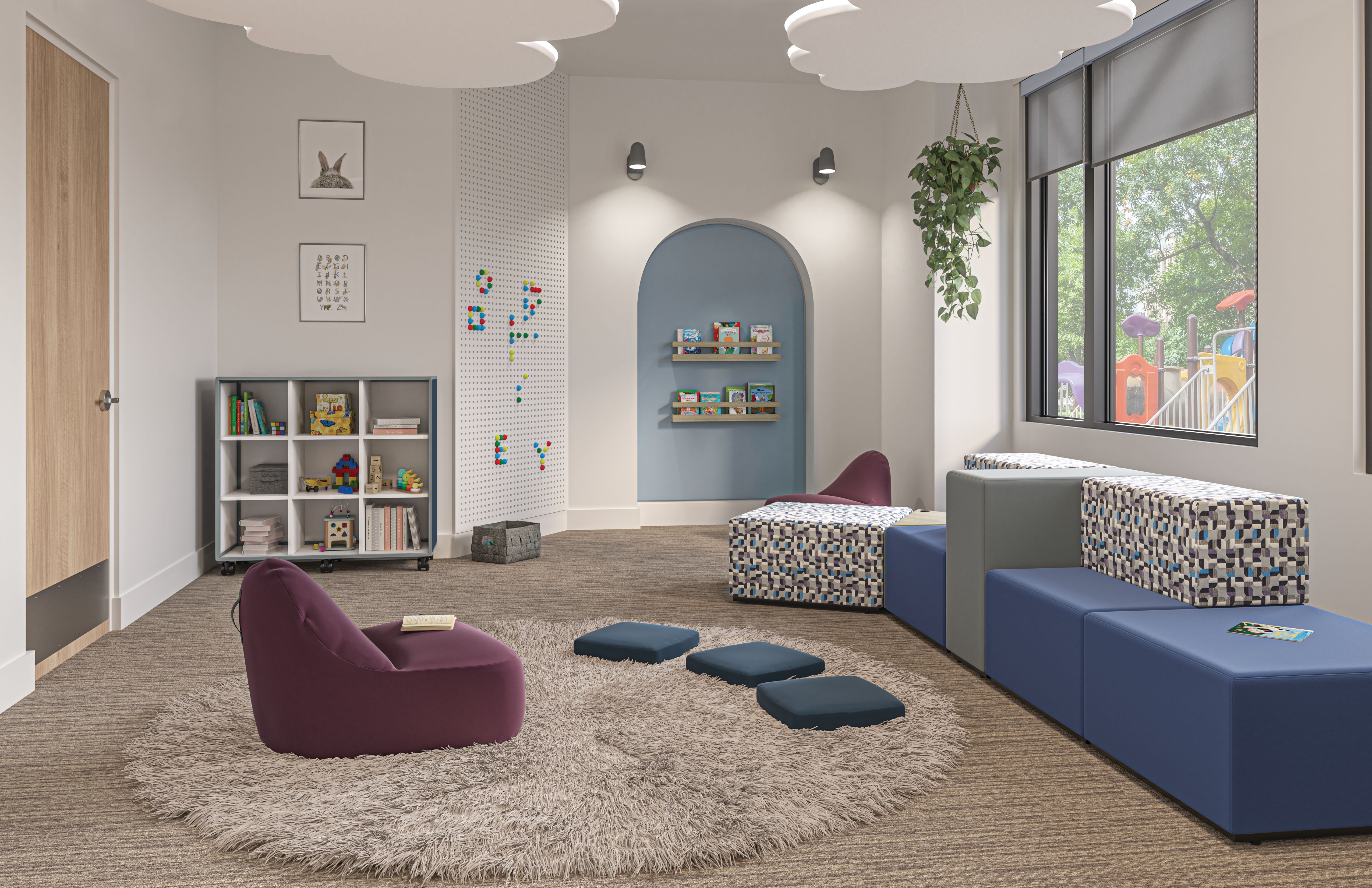
Color in Motion Example: Using school colors and custom finishes isn’t just about aesthetics — it builds a shared sense of identity and pride among students, staff, and the wider community. When these colors extend across furniture, graphics, and wayfinding tools, they make every space feel like an intentional extension of the school’s values and culture. Pairing this with inclusive design strategies (like using color-coded zones for different learning styles, grade levels, or accessibility needs) ensures that every student can easily navigate and feel ownership of their environment. In wellness rooms, incorporating soft, cool tones and tactile finishes adds a calming, restorative quality, supporting emotional well-being and creating safe spaces for reflection and regulation. In this way, color becomes both a functional tool for navigation and a powerful medium for belonging, reinforcing that each learner is part of a unified, inclusive school community.

Above: Confetti, Tangram
Designing with Color in Motion
As education continues to evolve, so must the environments that support it. By grounding our design approach in the three pillars of Enhancing Academic Excellence, Flexibility Through Design, and Empowering School Identity, we’re not just adding color—we’re adding intention, adaptability, and meaning. Color in Motion is more than a philosophy, it’s a commitment to shaping spaces that move with the needs of students and educators today, and into the future.
When applied thoughtfully through both spatial design and furniture selection, color becomes a catalyst for enhancing learning, promoting well-being, and nurturing a sense of
belonging in today’s dynamic K–12 environments. When learning environments are designed to inspire, every student can thrive.
Sources
The Science of Designing with Color: Making the Right Choices:
https://iscc.org/event-3786259?utm_source
How Color Psychology Influences Learning in eLearning Environments:
https://www.shiftelearning.com/blog/how-do-colors-influence-learning
Colors in Education: https://medium.com/ed-tech-talks/colors-in-education-8a1c1110f2aa