



Latest From HON


STAY IN TOUCH
Sign up to receive inspirational updates related to product enhancements and the latest workplace trends.

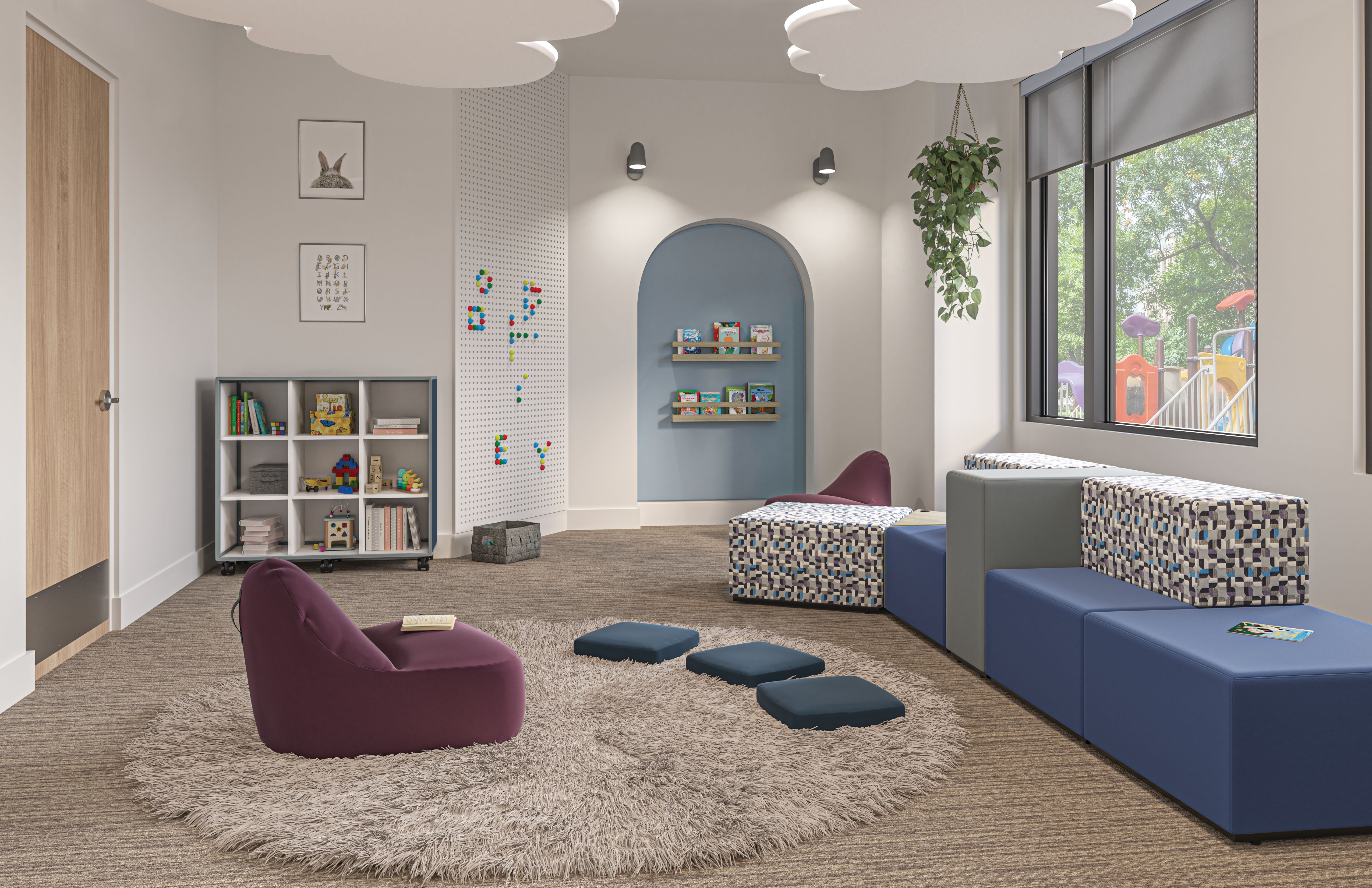
Universal Design and ADA considerations require thoughtful planning to ensure educational spaces work for all types of students throughout the day. When designing educational spaces, it is essential to lead with Universal Design, ensuring environments are usable, accessible, and inclusive for all students, regardless of ability. By proactively incorporating ADA requirements, schools can create spaces that promote equity, flexibility, and full participation. From classrooms to collaboration areas, furniture and layouts should support diverse learning needs, allowing every student to engage comfortably and independently. Accessibility should be considered from the start—creating welcoming, functional spaces where every student feels supported and able to participate with confidence.

Q: What is ADA?
A: The Americans with Disabilities Act (ADA) is a civil rights law, enacted in 1990, aimed at preventing discrimination against and providing equal opportunities for individuals with disabilities. Concepts related to workplace design are most comprehensively covered in Title II (Public Services) and Title III (Public Accommodations) of the ADA.
Sign up to receive inspirational updates related to product enhancements and the latest workplace trends.